

The Ultimate Guide to
HVAC Duct Fabrication
From raw coil to finished air systems. Explore the manufacturing processes, material science, and automation technologies driving modern ventilation production.
What is HVAC Duct Fabrication?
HVAC duct fabrication is the precision engineering process of converting sheet metal--typically galvanized steel, stainless steel, or aluminum--into conduits for heating, ventilation, and air conditioning systems. Unlike standard plumbing, ductwork requires complex geometric forming to maintain airflow efficiency, minimize static pressure loss, and ensure airtight integrity.
In modern industrial settings, the shift from manual hammering and folding to automated fabrication has revolutionized the industry. Advanced machinery now allows for the production of rectangular, spiral, and oval ducts with consistent tolerances of less than 0.5mm, crucial for large-scale commercial and industrial projects.
Airflow Efficiency
Precision forming reduces turbulence and energy costs.
Structural Integrity
Machine-welded seams offer superior durability.
Production Speed
Automated lines increase output by up to 500%.
The Fabrication Process: Step-by-Step
Decoiling & Leveling
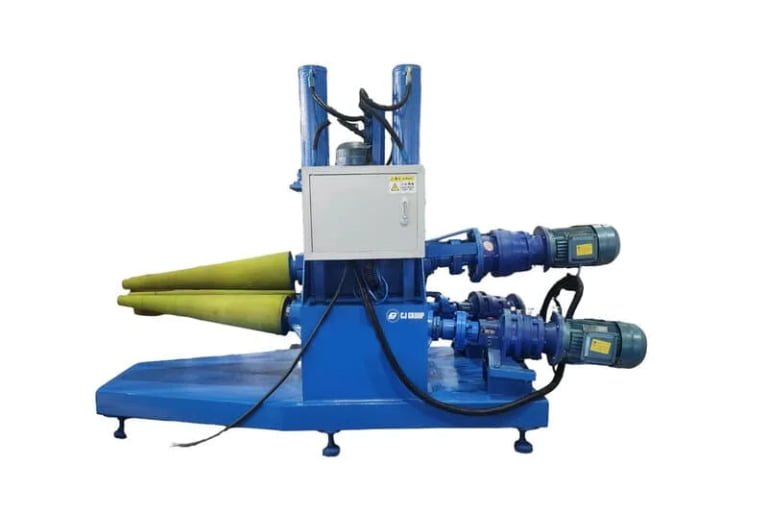
The process begins with heavy metal coils. A Decoiler feeds the sheet metal into a Leveling Machine, which removes curvature and internal stress, ensuring the sheet is perfectly flat for cutting. This step is critical for preventing warping in the final duct.
Precision Cutting & Notching
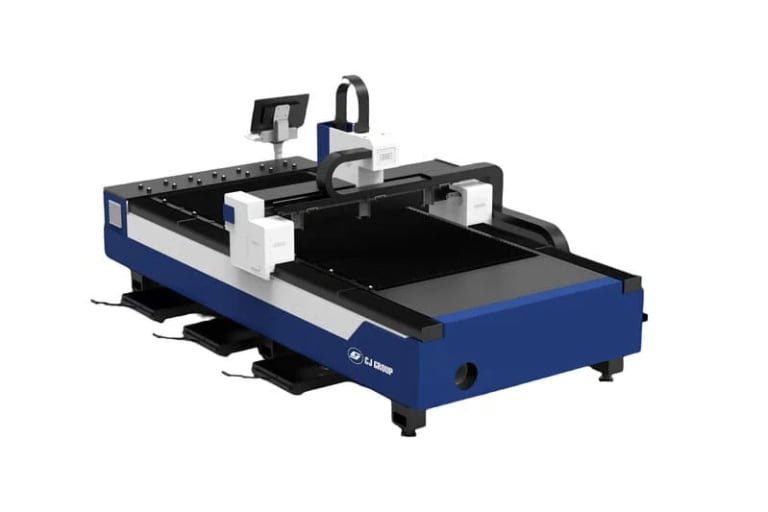
CNC Plasma cutters or hydraulic shearing machines cut the sheet to the exact developed length required for the duct's dimensions. For rectangular ducts, corner notches are punched simultaneously to prepare for folding.
Forming & Rolling
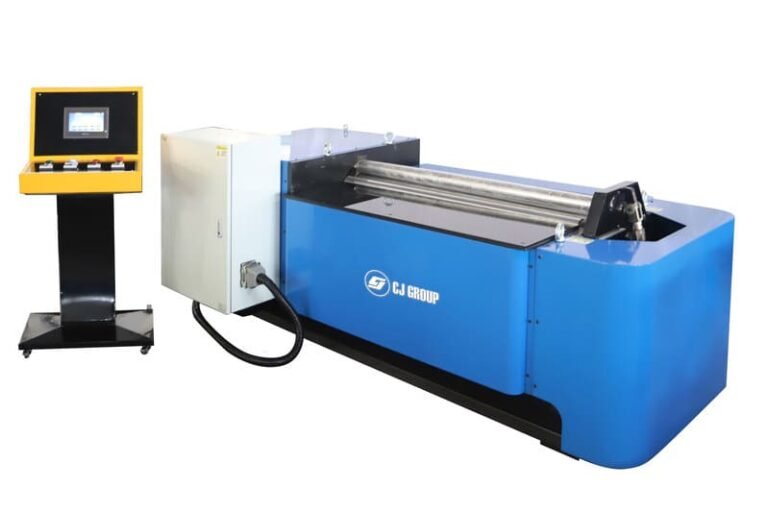
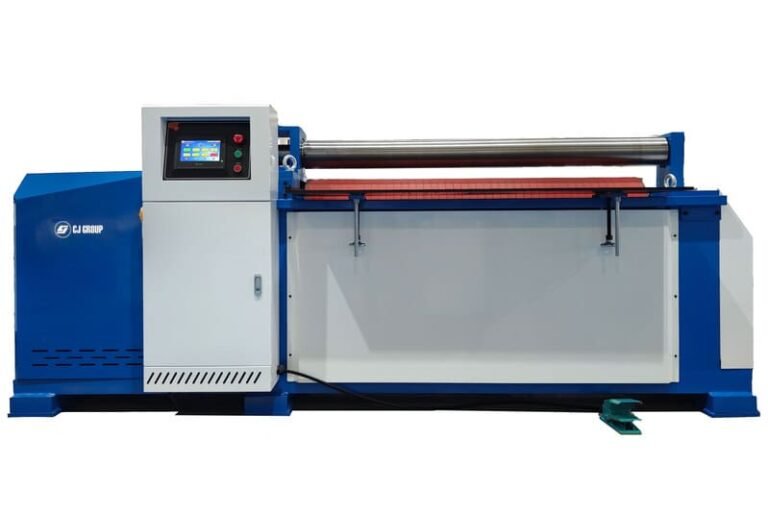
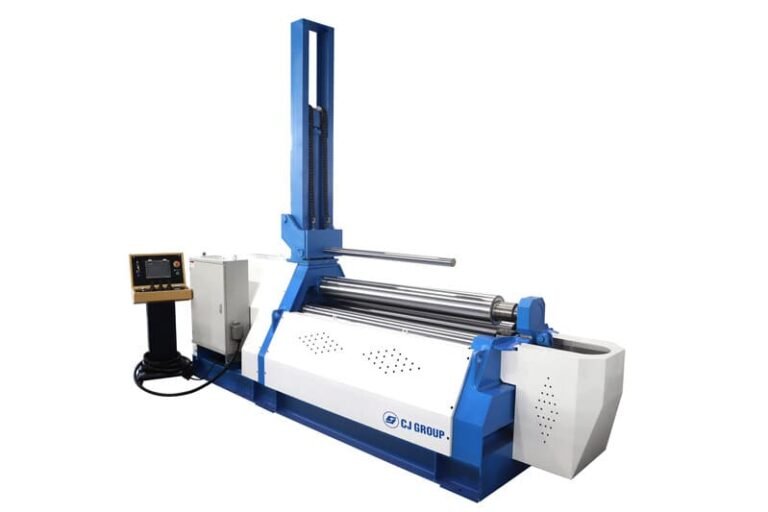
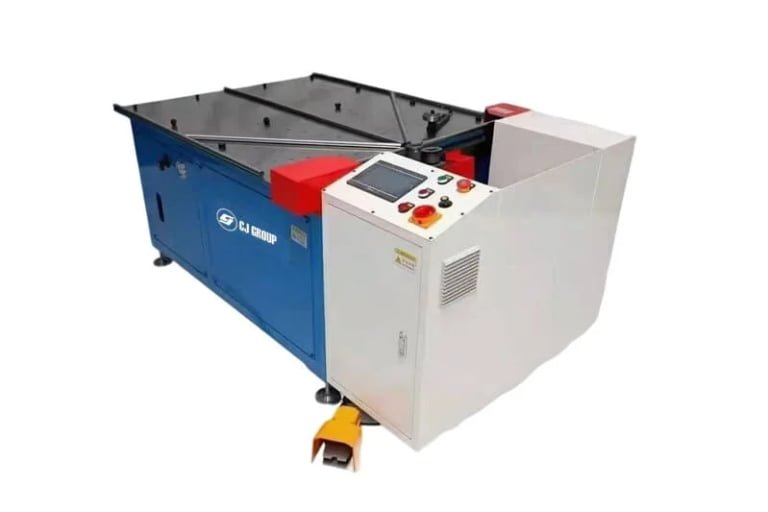
For round ducts, Rolling Machines curve the flat sheet into a cylinder. For rectangular ducts, folding machines bend the sheet into the traditional box shape. This is where the structural rigidity of the duct is established.
Seam Closing & Welding
The open edges are joined. Pittsburgh Lock formers are standard for rectangular ducts. For industrial round ducts, Longitudinal Seam Welders create a continuous, airtight weld that is stronger and cleaner than mechanical locks.
Essential Machinery for Your Line
Explore CJ GROUP's range of industrial-grade equipment designed specifically for high-efficiency duct and ventilation manufacturing.
Material Science in Ductwork
Selecting the right machinery depends heavily on the material used. CJ GROUP machines are engineered to handle the specific tensile strengths and spring-back characteristics of various metals.
- Galvanized Steel: The industry standard for HVAC. Requires machines with robust rollers to prevent zinc coating damage.
- Stainless Steel: Used for industrial exhaust and food-grade air. Harder to form, requiring higher tonnage and specialized welding gear.
- Aluminum: Lightweight. Requires precise tension control during decoiling and forming to prevent tearing.

Frequently Asked Questions
What is the difference between a standalone machine and an auto duct line?
Can CJ GROUP machines handle Stainless Steel?
Do you provide installation and training?
Upgrade Your Production Line Today
Whether you need a single rolling machine or a fully automated duct factory, our engineers are ready to design the perfect solution for your capacity needs.